Cheap by the pallet is only the start of the calculation.
Surplus, returns and liquidation stock can be a sound way to buy in volume, or a quick way to fill a garage with goods nobody wants. This guide follows the path of a lot from its origin to your shelf: where the goods come from, how lots are packaged, how to read a manifest and a condition grade, how to estimate resale value, which costs hide behind the price, which traps to avoid, and how to keep a record that teaches you something.
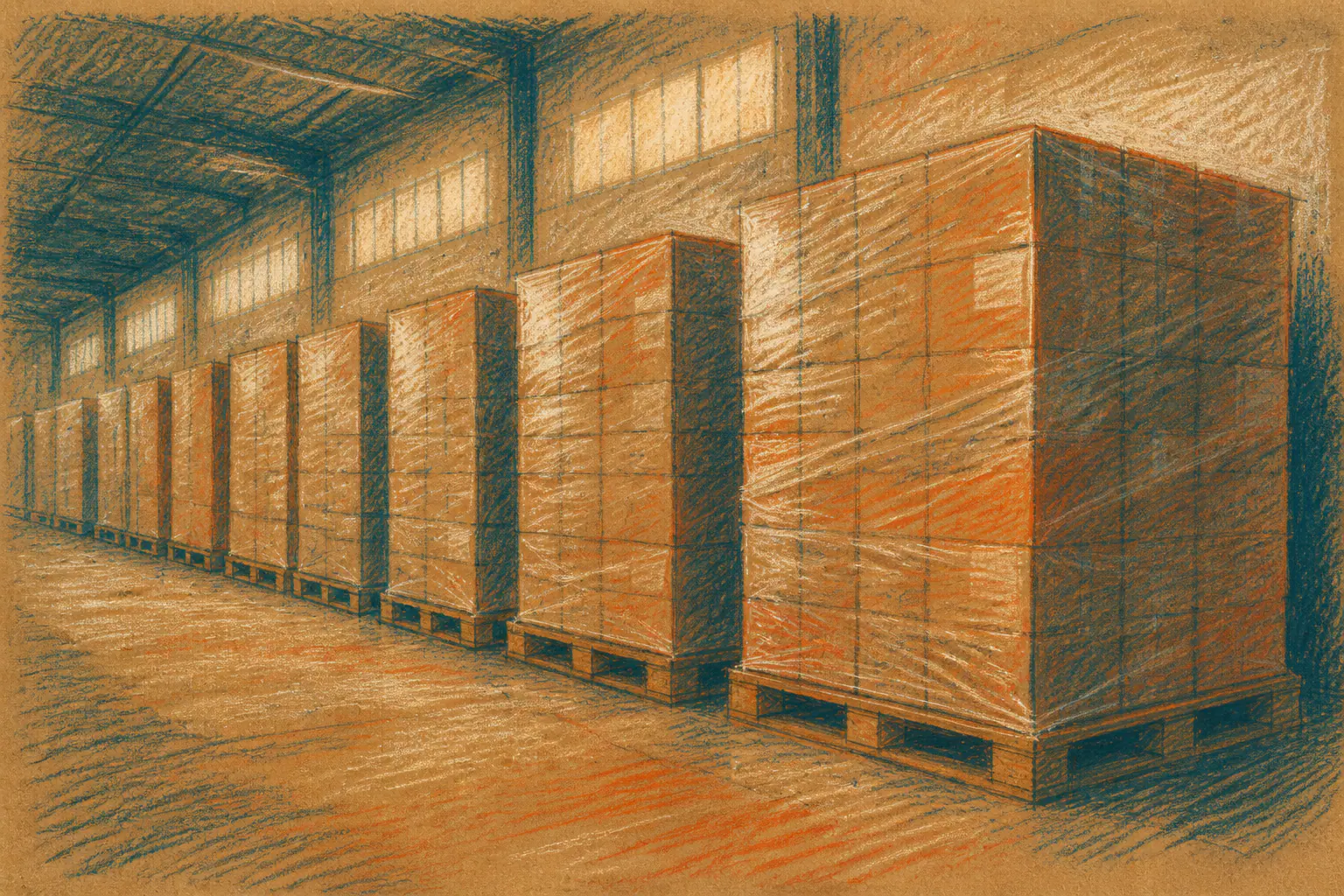
Where surplus actually comes from
Surplus is not one thing. It is whatever a seller holds that no longer fits the plan: too many units, the wrong season, a box that came back, a product line that was dropped. Knowing the source matters, because the source predicts the condition, the paperwork and the odds that a lot is complete.
Customer returns are the largest stream in many categories. They arrive in every state, from sealed and untouched to used, missing parts or damaged in transit. A returns lot is a lottery whose odds depend on how the seller sorted it first.
Overstock is stock ordered in excess of demand. It is usually new, boxed and consistent, which makes it the easiest to resell, and the most competitive to buy.
End-of-line and discontinued goods belong to ranges the maker has dropped. Condition is often excellent. The catch is that spare parts, accessories and warranty support may be thin.
Closeouts after a closure come from a business that has stopped trading. These lots can be large and unevenly stored, and the seller is often an administrator who knows little about the goods and offers little guidance.
Seasonal clearance is stock that missed its window: winter coats in March, garden furniture in October. It is cheap because the shelf space is needed, not because the goods are faulty.

Pallets, cartons and mixed lots: the shapes a lot can take
The way goods are packaged for sale tells you how much work the seller did and how much is left to you. A tidy lot costs more per item because someone has already done the sorting.
| Lot type | What it usually is | Main risk |
|---|---|---|
| Full pallet, single item | One product, many units, often factory packed | One bad batch affects every unit |
| Mixed pallet | Many products from one category, stacked in a store or warehouse | Uneven value, hard to price before opening |
| Carton or case lot | A smaller quantity, easier to move and to test | Higher cost per unit, fewer unit details |
| Truckload | Many pallets, usually one source | Freight, storage and cash tied up |
| Sorted or graded lot | Items checked and separated by condition | Grading standards differ between sellers |
| Unsorted "as is" lot | Returns and mixed goods in one pile | Highest variance, lowest price per unit |
Beginners often drift toward mixed pallets because the headline price looks small. A mixed pallet is not a bargain by default. It is a bet on the average quality of its contents, and you only collect if you can sell the weak items, the odd items and the dead items at some price.
A good habit is to start with a single category you already understand. Someone who knows small kitchen appliances can judge a returns pallet of them in minutes. The same person facing a pallet of car accessories is guessing.
How to read a manifest without fooling yourself
A manifest is the seller's list of what is on the lot. It can be a detailed spreadsheet with one row per unit, or a rough summary written in a few lines. Either way it describes what the seller believes is there, which is not a promise.
Start with the columns that matter: description, quantity, condition, and any reference value the seller lists. Then check whether each of those fields is filled in for every row, or only for the first few lines. Missing fields usually mean the seller did not look closely.

What to check on every sheet
- Whether quantities add up to the stated total, and whether the units are counted as pieces or as boxes.
- Whether the reference value is a retail price, a cost price or a guess. Many lists show the highest possible figure.
- Whether identical items appear many times with the same description, which hints at a bulk entry rather than an inspection.
- Whether the same product appears under slightly different names, which inflates the apparent variety.
- Whether a category label such as "electronics" covers anything at all, from cables to televisions.
Ask the seller whether the manifest was produced from scans or typed by hand, and whether it was compiled before or after the goods were repacked. A list built from scans at the time of the return is far more reliable than one rebuilt later from memory.
Grades A, B and C, and why they never mean the same thing
Condition grades are shorthand, and no single scale is used everywhere. One seller's grade B is another seller's grade A minus. Always ask for the definition behind the letter before you compare prices.
| Grade | Typical meaning | What to confirm |
|---|---|---|
| New or A | Unused, original packaging, no visible wear | Whether the box is sealed and the accessories complete |
| Like new or A minus | Opened or lightly handled, fully working | Whether it was tested or only looked over |
| B | Cosmetic marks, damaged box, or missing minor parts | Which parts are missing and whether they can be replaced |
| C | Visible wear, untested, or partly faulty | Whether it is sold for repair, parts or scrap |
| Salvage | Damaged, incomplete or non-working | Whether anything on the lot can be resold at all |

"Tested" is another word to pin down. It can mean powered on for a few seconds, or run through a full function check. "Customer return" can mean the buyer simply changed their mind, or that the product failed. If the seller cannot say which, assume the less favorable reading when you work out your price.
Working out what the goods can realistically resell for
The retail price printed on a manifest is the least useful number on the sheet. What matters is what you can actually sell each item for, how fast, and after what effort.
Look up recent completed sales for the same model rather than the asking prices on live listings. Asking prices show hope, completed sales show demand. Then adjust for condition: an item with a damaged box or a missing cable sells below a clean one, often by a wide margin.
Next, split the lot into three groups. The first is the items that sell quickly at a clear price. The second is the items that sell slowly or need cleaning, testing or minor repair. The third is the items you will never sell individually and will have to bundle, donate or write off. Your total return is the sum of the three, not the average of the manifest.
A simple back-of-envelope method
- Estimate a realistic resale figure for each group, using completed sales and not asking prices.
- Subtract the selling costs for each channel you plan to use, such as platform fees, packaging and postage.
- Subtract the time you will spend, even if it is only your own, because testing and photography take hours.
- Compare the remainder with the all-in cost of the lot, including freight, so the margin is visible before you commit.
Leave space for the unknown. Many experienced buyers assume that a meaningful share of any mixed lot will be unsellable or sold at a deep discount, and they build that share into the price they are willing to pay.
If a lot only works on paper when every item sells at the best possible price, it does not work. A lot that still makes sense when the weak items are valued at almost nothing is a lot worth considering.
Hidden costs, freight and the real price per unit
The lot price is the start of the bill. Costs that sit around it are easy to forget and can erase the margin.
Buyer's fees and taxes. Some sales add a premium to the winning bid and then apply sales tax or similar charges on top of both.
Freight. Pallets travel by freight carrier, and rates depend on weight, dimensions, distance and the kind of delivery. A residential address, a lack of a loading dock and a requirement for a lift gate each add a charge. Quotes should be obtained before bidding, not after.
Handling and storage. A pallet needs somewhere dry to go, space to be unpacked and a surface for sorting. If you do not have that space, you pay for it.
Disposal. Goods you cannot sell still have to go somewhere, and bulky or electrical waste is often charged for.
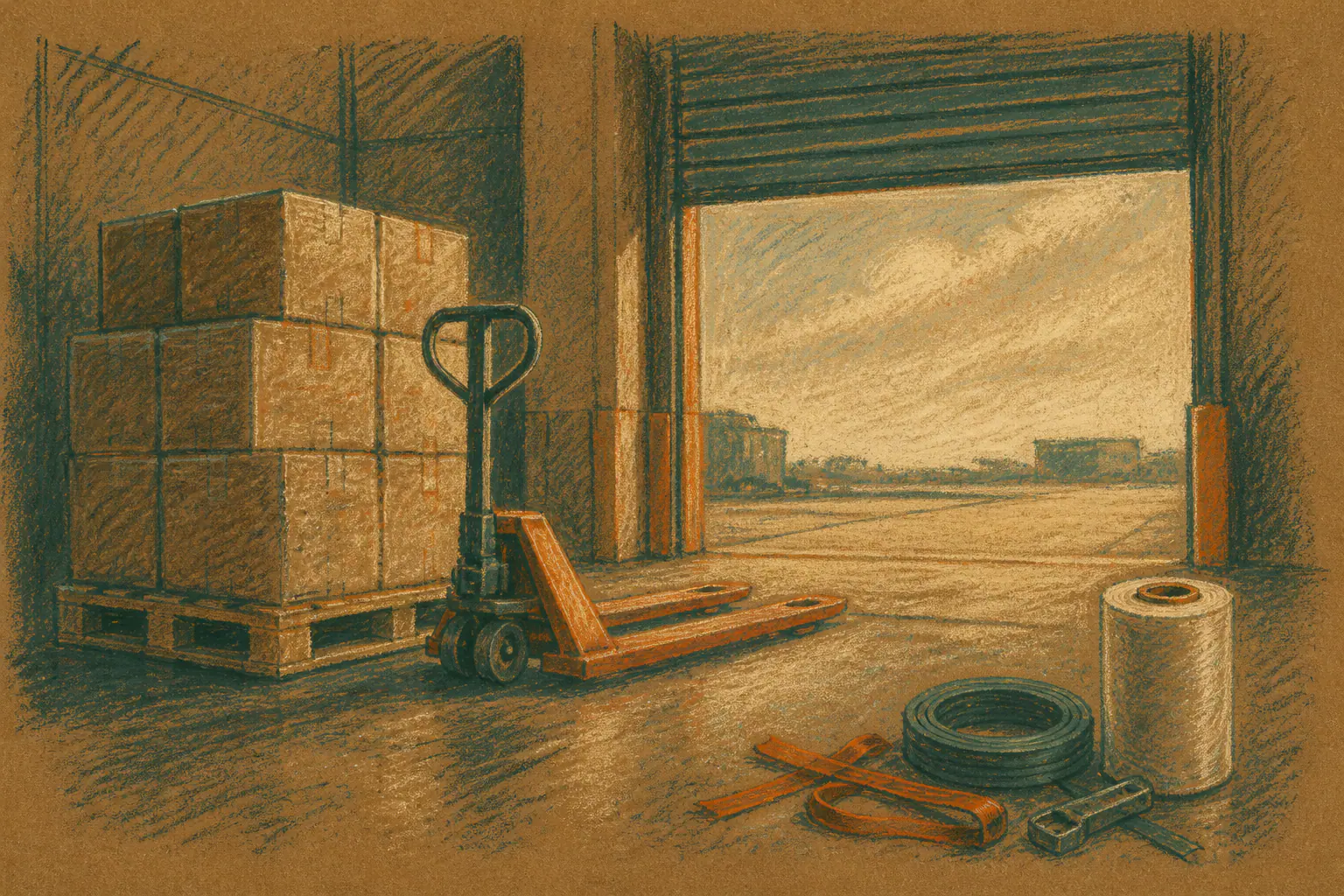
Work out the real price per unit, not the headline price. Add every cost above to the lot price, then divide by the number of items you expect to be able to sell, not the number on the manifest. That figure is the one to compare with your resale estimate.
Risks, traps and the lots to walk away from
Most losses in this field come from a small number of repeated mistakes. Recognizing them early is worth more than any clever pricing trick.
- Buying what you cannot test. Electronics and powered tools are the clearest case. Without a way to check them, they are a coin toss.
- Chasing brand names. A famous label on the manifest does not mean the units are genuine, current or complete.
- Counterfeit and gray market goods. Items that look too cheap for their brand may be fakes, or may be intended for another country with a different warranty, plug or specification.
- Restricted and regulated goods. Some products, such as certain cosmetics, children's items, food and safety equipment, carry rules about resale, expiry and labeling. Check the rules before buying.
- Recalled products. A recalled item cannot always be sold on. Check the model against recall lists.
- Overbuying. A lot that is too large for your sales pace ties up cash and space, and the goods lose value as they sit.
- Weak seller terms. No returns, no recourse and no clear description is a warning when combined with a high price.
A useful rule is to be able to state, in one sentence, who will buy each category in the lot and why. If you cannot, the lot is too broad for you. Walking away costs nothing, and a missed lot is usually replaced by a similar one within a few weeks.
Seasons, timing and keeping a stock ledger
Surplus follows the calendar. Retailers clear space after major selling periods, which pushes large quantities of returns and seasonal goods onto the market in the weeks after the winter holidays and again at the start of summer. Garden, outdoor and cooling products tend to be cheap in autumn and most wanted in spring. Heating items and winter clothing follow the opposite pattern.
Buying out of season gets a better price but means storing the goods and waiting, so the saving has to be larger than the cost of holding the stock. Buying in season is faster and dearer. Neither is wrong, as long as you know which one you are doing.
Keep a ledger. A plain spreadsheet is enough. For each lot, record the date, the source, the lot price, the freight and fees, the number of units, and the expected resale value. For each item or group, record the grade, the date sold, the sale price and the selling costs.
Review it every month. Look at which sources gave the highest return per unit, which categories sat the longest, and which of your estimates were furthest off. Over a year, that record becomes more valuable than any guide, because it shows what actually happens to your own money.
Short answers to common questions
What is the difference between liquidation and overstock?
Overstock is excess inventory a seller still wants to sell at a fair price. Liquidation usually means the seller needs to clear stock quickly, often because of a closure, a dropped range or a lack of space, and prices reflect that urgency.
Is a mixed pallet a good first purchase?
Usually not. Its contents are hard to judge and its average value is uncertain. A single-category lot in a field you know is easier to price and to sell.
Does grade A mean the item is new?
Not always. The meaning of each grade is set by the seller, so ask for the written definition and compare it with what you intend to resell.
How much should I allow for unsellable items?
There is no fixed figure. It depends on the source and on how well the lot was sorted. Build a cushion into your price and refine it with your own ledger.
What should I check before paying for freight?
Weight, dimensions, delivery type, access at your address and whether a lift gate is needed. Get a written quote before the lot is final.